
Canada lost and found
The men’s national team readies for the final international window of 2025

Canada will play two matches during the November international break. Up first is Ecuador at BMO Field on Thursday night, come Tuesday the side is set to face Venezuela in Fort Lauderdale.
These will be the final two matches of 2025.
There will undoubtedly be further camps and at least a few more games before next summer, but the 2026 FIFA World Cup is quickly coming into view.
Seven months comes and goes quickly.
In a perfect world, the year leading up to the World Cup would go a certain way. It’s always a little more tricky for host nations absent the honing that comes from qualification, but a side wants to use that time to solidify the group, get them a variety of experiences together, and work out ideas on the field so that when that opening match on June 12 comes they are ready.
Canada has not had that luxury.
Since March and the injury to Alphonso Davies at the Concacaf Nations League Finals, Jesse Marsch has not been able to call in his best.
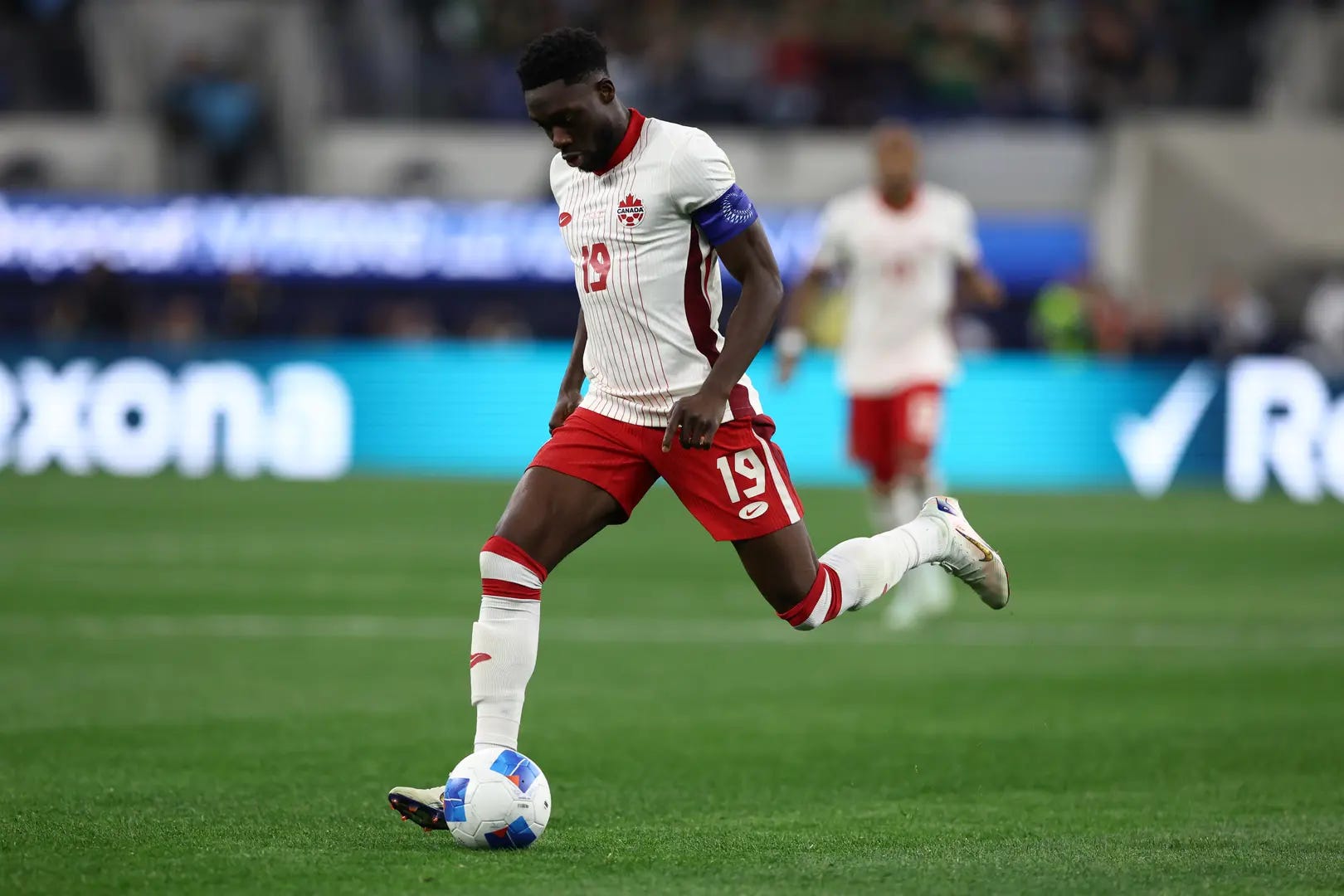
Moïse Bombito, between recovering from surgery and injury, has not featured since then, Alistair Johnston returned from injury for the Gold Cup, but has missed the last two international windows and is unavailable for this one as well.
That’s three-quarters of the back four out of action for large chunks of the run up, Derek Cornelius the last man available.
That initial plan in Marsch’s mind at the start of the year was lost.
“We actually had a meeting with the back-line today,” said Marsch on Thursday ahead of the clash with Ecuador. “We reviewed the first two matches, the Holland and France matches, the first two before Copa América started.”
“At that time, I said that that group was going to really dictate overall what our potential, what our success would be,” he continued. “The first 12 games, or at least almost the first year, we played almost the exact same back-line every game: Alphonso, Derek, Moïse and Alistair. We all know those are four very good players, high potential players, and gave us a really good foundation defensively.”
Despite those absences, Canada has conceded just eight goals in 12 matches this calendar year. Five of which came in three games: two against Mexico and one against the USA at the Nations League Finals, as well as a late pair against Ukraine in the Canadian Shield this summer.
In the four matches since the Gold Cup, against Romania, Wales, Australia, and Colombia, they have conceded just once.
The value of what has been lost is balanced by the new opportunities presented.
“What’s been found is – Richie Laryea, we knew. We knew that we could play him just about anywhere on the pitch and get everything we could out of him, but for Niko Sigur and Luc de Fougerolles specifically, they’ve been able to really grow into their positions, develop a lot of experience and confidence in who they are and what they’re doing and add it to their career,” Marsch highlighted. “Luc maybe had three professional games by the time he’s playing in the third place match for Copa América.”
“You could add to that Joel Waterman, you could add Zo Bassong,” he continued. “You could add different names onto that list – Nathan Saliba has emerged; Ali [Ahmed] wasn’t called into the first two games and now he’s become an incredible central part of his team.”
New concerns will always come to the forefront – such is the rhythm of the game.
Club playing time has been limited for Stephen Eustáquio; Jonathan David is still settling with the move from France to Italy; nobody has really grabbed that starting striker position alongside David for their own – though Marsch gave a pretty firm vote of confidence to Tani Oluwaseyi on Thursday; the starting goalkeeper position is still unclear; goals are not as plentiful as one would like.
The returns of Davies, Bombito, and Johnston will bring yet more.
“With Alphonso, Moïse, and Alistair, it will be important when they get back in to understand that there’s been a lot of development in the team and we will need to get them up to speed and get them ready to perform,” anticipated Marsch. “We’ll be counting on them, but this will be important for our overall success next summer that those three can get as healthy as can they can possibly be and up to speed on the mentality of what the team has done.”
2025 has been a reminder that seldom does everything go exactly to plan and it becomes a question of what can be accomplished in the meantime.
For Canada, the answer is, a lot.
The depth in all areas of the pitch has improved, many players who might not have been tested in that perfect world have been, stones that might have been left unturned have brought new faces to the squad – most recently Alfie Jones, Owen Goodman, and Marcelo Flores (albeit solely in a training capacity for Flores); Marsch’s ideas have had time to populate the squad and their approach.
Perhaps most importantly, the team has faced both successes and failures together and found a way to use those lessons while facing forward.
As 2026 comes closer into view Canada feel they are in a better place than they were 12 months ago.
“There’s been a lot of different developments,” Marsch said. “I’ve made some mistakes along the way, in terms of selections that I made or players that I’ve called into camp, but over time we’ve been able to find the answers based on our time together and based on the challenges we faced. We’ve expanded everything that we believe is possible, by the player pool, by the high potential players, by everything that we’ve established.”